 Integrix
Moorhead, MN • Serving Fargo, West Fargo & the Red River Valley
Footmaxx Prescription Orthotics in Moorhead, MN
Not an arch support off a shelf. A Footmaxx orthotic is made by a lab from a computerized scan of your own feet, to a prescription Dr. Bekkum writes after examining you.
Every Orthotic Is Made for One Person
Two people with "flat feet" rarely need the same insert. One may need the heel held steady. The other may need pressure taken off the ball of the foot. A prescription orthotic is built for the problem your scan and exam actually show.
Footmaxx orthotics
- Made for your feet only
- Firm, flexible and durable
- Corrections chosen by your clinician
- Built to control the motion causing strain
Over-the-counter insoles
- Standard sizes and arch heights
- The wrong correction can add strain
- Cushion the symptom, not the cause
- Wear out faster
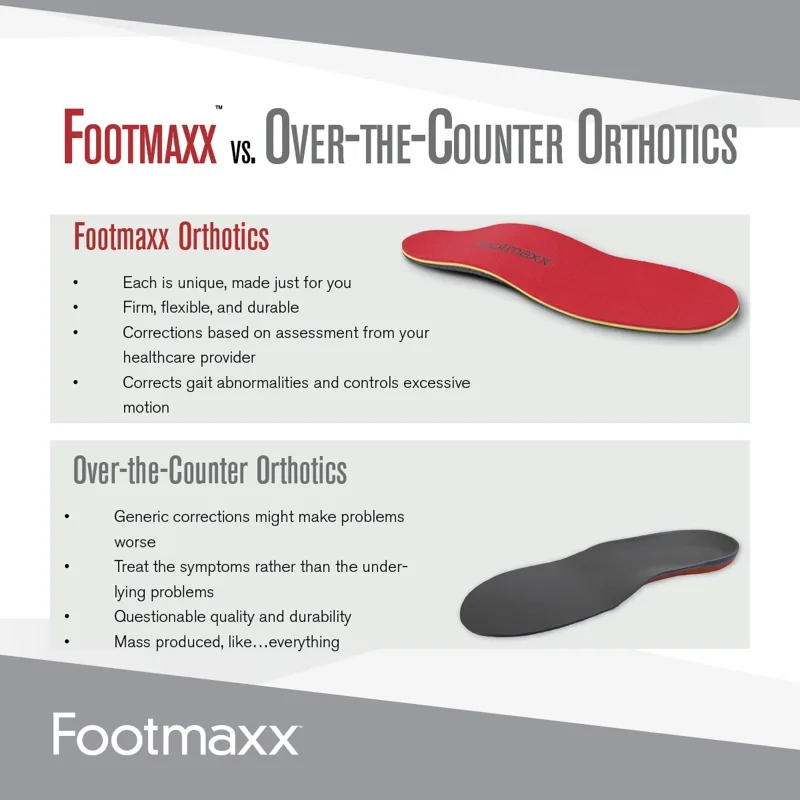
Source: Footmaxx clinical materials.
Side by side
Prescription Orthotics vs. Retail Arch Supports
| What matters | Footmaxx prescription orthotics | Retail arch supports |
|---|---|---|
| Made from | A 3D or pressure scan of your feet | Standard sizes |
| Chosen by | Dr. Bekkum, DC, CCEP, after a hands-on exam | Store staff or a self-fit chart |
| Exam first | History, foot and ankle exam, gait and movement scan | Usually a quick in-store check |
| Correction options | More than 40 shells, postings, pads and covers | A few preset arch heights |
| One pair for many shoes | Often, with the right shell and cover | Often sold as sets by activity |
| HSA / FSA | Usually eligible as a prescribed device | Varies |
| Typical life with daily wear | Often 2 to 3 years | Often under a year |
Insurance coverage for orthotics varies by plan, and many plans do not cover them. We go over your costs before anything is ordered.
The prescription
More Than 40 Options, Chosen for Your Foot
Your scan shows how your foot changes when it takes your weight. Dr. Bekkum picks from the Footmaxx options below to build the orthotic your foot needs.
Heel and rearfoot
- Heel capping: holds the heel steady
- Heel cushion: softens heel strike
- Heel lift: evens out a short leg
- Heelmaxx: extra rearfoot stability
- Horseshoe pad: takes pressure off a sore heel
Forefoot
- Forefoot extension: supports the toes and ball of the foot
- Gait plate: for in-toeing or out-toeing
- Morton's extension: for a stiff big toe joint
- First- and fifth-ray cut-outs: offload the outer or inner forefoot
- U-pad: protects the small bones under the big toe
- Toe crest pad: for hammertoes
Midfoot and arch
- Arch fill, firm or soft: full arch contact
- Arch strip: outer arch support
- Scaphoid pad: inner arch support
- Medial or high flange: controls rolling in
- Met bar or met pad: for ball-of-foot pain
- Neuroma pad: makes room for an irritated nerve
- Lesion accommodation: offloads a pressure spot
Posting and wedging
- Neutral rearfoot post, intrinsic, extrinsic or mini: standard control
- Varus rearfoot post: for rolling in at the heel
- Varus forefoot post: for a tilted forefoot
Shell
- Carbon fiber and Carbon Edge: rigid and thin
- Polypropylene: durable, set stiffness
- Duramaxx: semi-rigid, everyday
- Duraflexx and Ultraflexx: flexible to very flexible
- EVA milled and urethane: soft, cushioned, for sensitive feet
Top covers
- Moisture-wicking sport covers
- Leather for dress shoes
- Merino wool for warmth and comfort
- Shock-absorbing foam for impact
- Cooling and antimicrobial fabrics
Footmaxx product lines
The Right Orthotic for Your Shoes and Your Day
Look through the lines below and tell us which one fits your life. Dr. Bekkum will confirm it matches your scan, or recommend a better fit.
Everyday and dress
For work shoes, dress shoes and all-day wear.
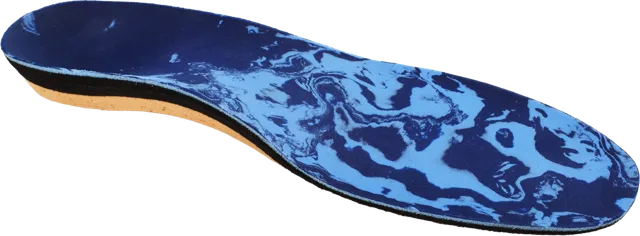 Trilamaxx
The most popular everyday orthotic. A light, contoured blend of support and comfort that fits most shoes.
Good for: heel pain, ball-of-foot pain, shin splints, general foot pain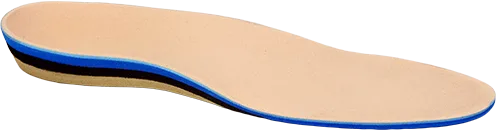 Trilamaxx Comfort
The same correction with a wider toe area and more cushion.
Good for: arthritis, bunions, wide feet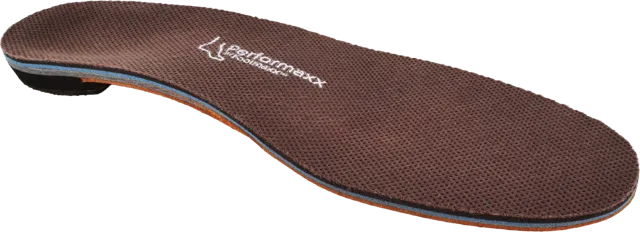 Performaxx
Moisture-wicking, odor-control cover for people on their feet all day.
Good for: nurses, retail and trades, sweaty feet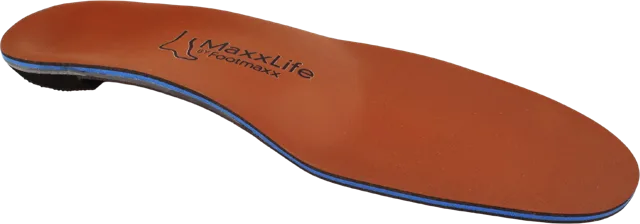 MaxxLife
Slim vegan-leather design that fits dress shoes and loafers.
Good for: office and dress footwear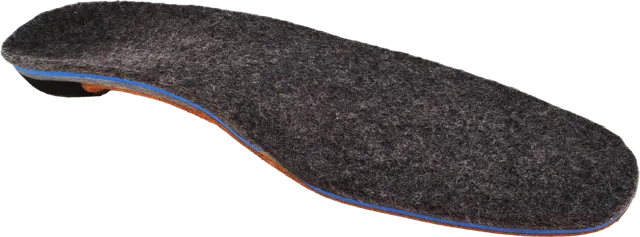 Comfortmaxx
Merino wool top cover over full correction. Soft, warm and dry.
Good for: comfort first, cold feet, bunionsSport and active
Matched to the forces of your sport.
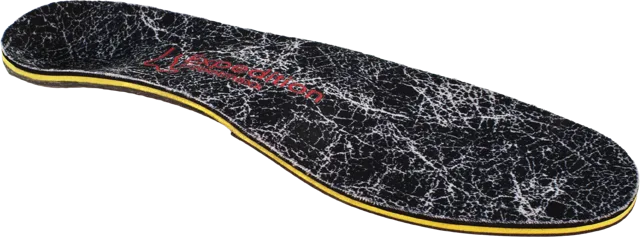 Expedition
Thin, light carbon fiber shell with a shock-absorbing XRD layer and an odor-fighting top cover. Built for repeated impact.
Good for: serious athletes who want control without bulk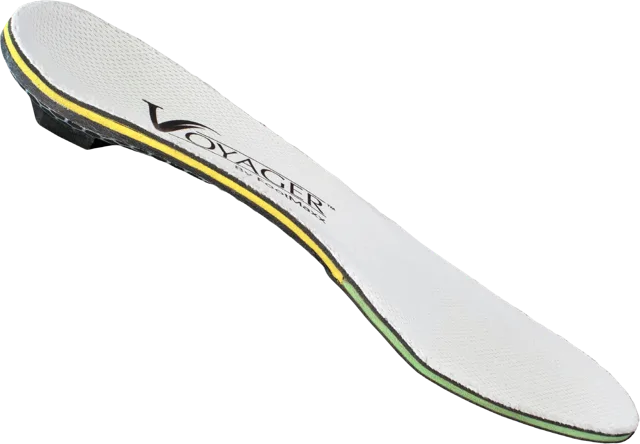 Voyager
A top cover that manages heat and moisture, on a thin CarbonEdge shell that fits low-profile performance shoes.
Good for: runners and high-impact training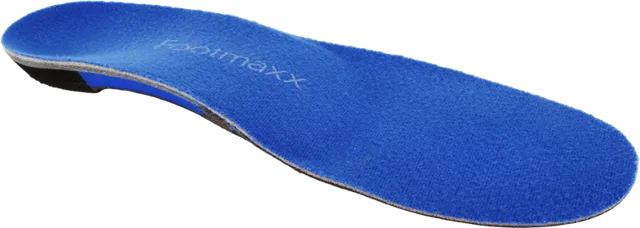 Marathoner
Built to hold its shape over high weekly mileage.
Good for: runners logging 30+ miles a week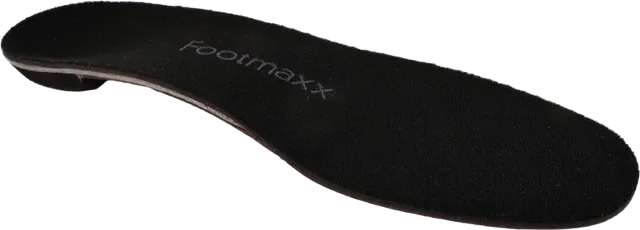 Court Sport
Controls side-to-side forces and quick changes of direction.
Good for: pickleball, tennis, basketball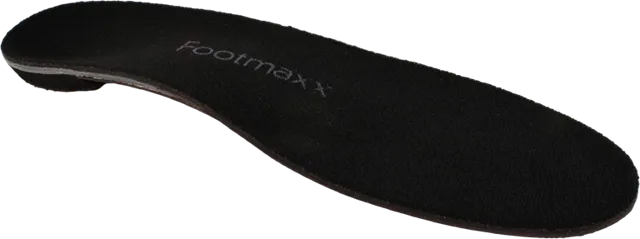 Golf
Shaped for the weight shift of the swing.
Good for: golfers, especially with low back or hip pain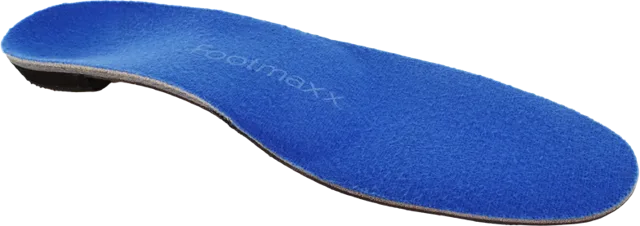 Sportmaxx and All Sport
Sportmaxx comes in nine sport versions: basketball, baseball, football, hockey, soccer, tennis, ski, cross-trainer and running. All Sport covers gym, work and casual in one pair.
Good for: dedicated athletes or multi-sport lifestylesDiabetic, arthritic and sensitive feet
More cushion and pressure relief for feet that need protection.
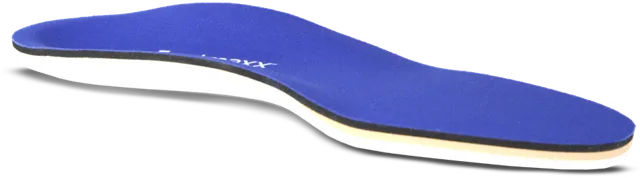 Diabetic 1, 2 and 3
Three levels, from semi-rigid support for mild risk to very soft pressure relief for reduced feeling in the feet.
Good for: diabetes and neuropathy, matched to your level of risk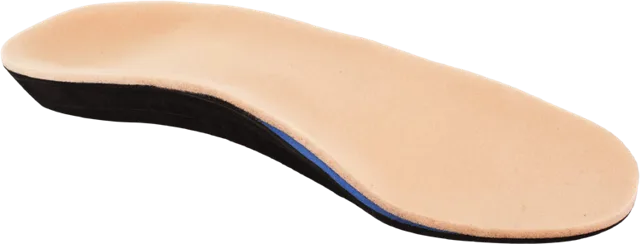 High Risk
The most protective Footmaxx design, made to spread pressure away from vulnerable spots.
Good for: a history of foot ulcers, after a wound has healed and with your doctor's okay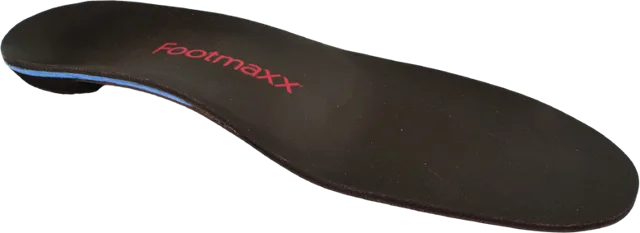 Arthritic 1, 2 and 3
Three levels of flexibility to reduce pressure on sore forefoot joints.
Good for: rheumatoid arthritis, gout, osteoarthritis of the foot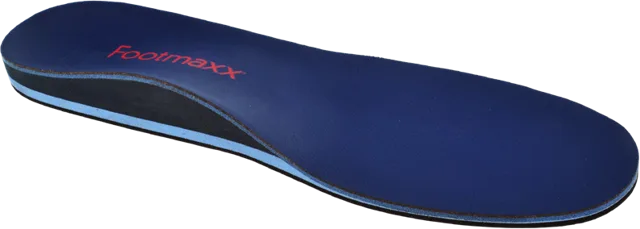 EVA Custom Milled
Soft, full-contact material milled to your exact foot shape.
Good for: very sensitive feet, comfort after foot surgeryCustom orthotics for growing feet. For kids 13 and under, Footmaxx makes one free replacement pair if they outgrow them within 12 months. A new scan is needed.
Good for: children with flat feet, in-toeing or heel painFootmaxx footwear
Shoes and Sandals That Work With Your Orthotics
A custom orthotic works best in a shoe with room for it. We can order orthotic-friendly shoes and sandals through Footmaxx when you order your orthotics.
Road shoes from Brooks and Altra with removable insoles, so your orthotic fits in their place. Altra models have a wide, foot-shaped toe box.
Good for: daily walking, running, wide forefeetThe Altra Lone Peak trail shoe and the waterproof Merrell Moab 3 Mid hiking boot.
Good for: trails, uneven ground, hunting and outdoor workThe K-Swiss Hypercourt Express 3, built for quick side-to-side moves.
Good for: pickleball and tennisThe Bates Tactical Sport 2 boot for people on their feet all shift.
Good for: law enforcement, security, tradesThe Florsheim Launch oxford, with a removable footbed you can swap for your orthotic.
Good for: the office and the weekendThe Roanoke sandal with a shaped cork footbed, the CAOS Riptide athletic sandal, and Footmaxx flip flops, including a waterproof pair.
Good for: summer, the lake, around the houseModels, colors and sizes change often. Dr. Bekkum will check what is available and make sure the shoe fits your orthotic before you order.
The process
From Scan to Custom Orthotic in 4 Steps
No foam box and no plaster cast.
1. Exam
Your history, a hands-on foot and ankle exam, and a look at how you walk and move.
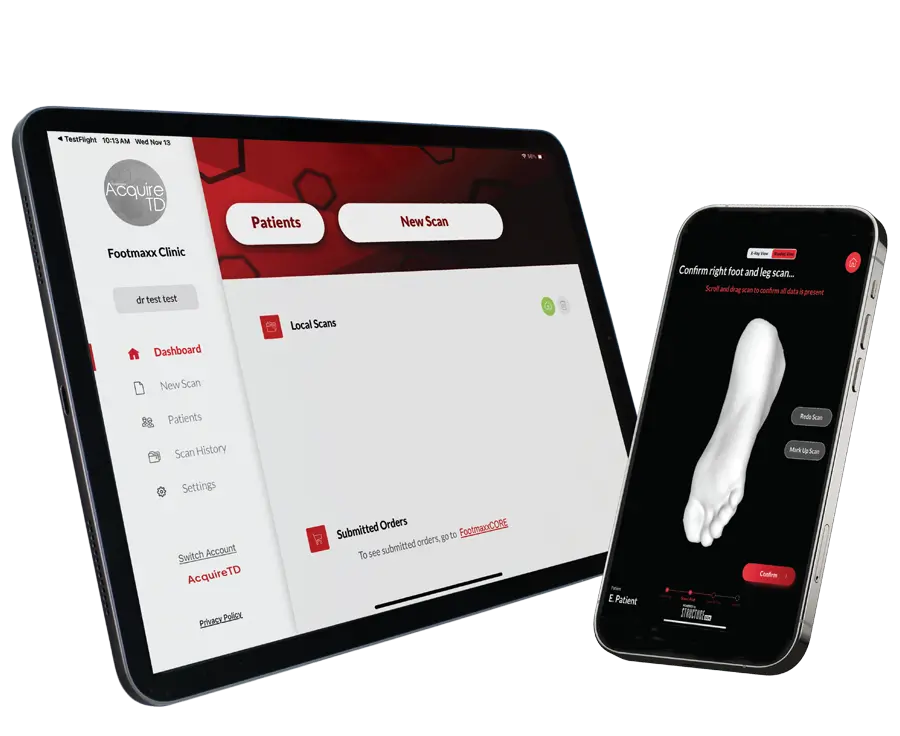
2. Computerized foot scan
An iPad 3D scan maps the exact shape of each foot. A pressure mat shows how each foot takes weight as you walk. We use one or both, based on your exam.
3. Prescription
Dr. Bekkum chooses the shell, corrections and cover, and sends the prescription to the Footmaxx lab.
4. Fitting
Your orthotics arrive in about 4 weeks. We fit them and show you how to break them in.
Why a scan under load matters
A foam impression only records the shape of your foot. Pain often comes from what your foot does under your full weight. The pressure scan shows where each foot takes weight, and when, as you walk. Paired with the 3D shape scan, the correction is based on how your foot actually moves.
We also check your knees, hips and posture with a Kinetisense 3D movement scan, because a foot problem often shows up as pain higher in the chain. See Custom Orthotics for how the foot drives the rest of the chain, and what the research shows.
Common reasons we prescribe
What Footmaxx Orthotics Are Used For
Orthotics work best as one part of a plan, alongside joint care and exercise. We re-scan to show what changed.
Heel pain and plantar fasciitis
Heel cushions, horseshoe pads and arch fill to reduce strain on the heel. For heel pain, we pair orthotics with stretching, joint care or shockwave.
Flat feet and rolling in
Flanges, arch fill and rearfoot posting, set to what your scan shows.
High arches
Full-contact support and cushion to spread pressure across a stiff foot.
Morton's neuroma
A neuroma pad spreads the bones in the ball of the foot to ease pressure on the nerve.
Bunions
Big-toe joint accommodations to reduce load and daily pain.
Knee, hip and back pain
When your scan shows the foot rolling in and turning the leg, posting can change the load on the joints above.
Shin splints
Rearfoot control to limit the rolling that twists the shin.
Diabetic and numb feet
Soft, pressure-spreading diabetic designs. Burning or numb feet? See neuropathy treatment.
Overuse injuries in athletes
Sport-specific shells and impact-absorbing covers for high training loads.
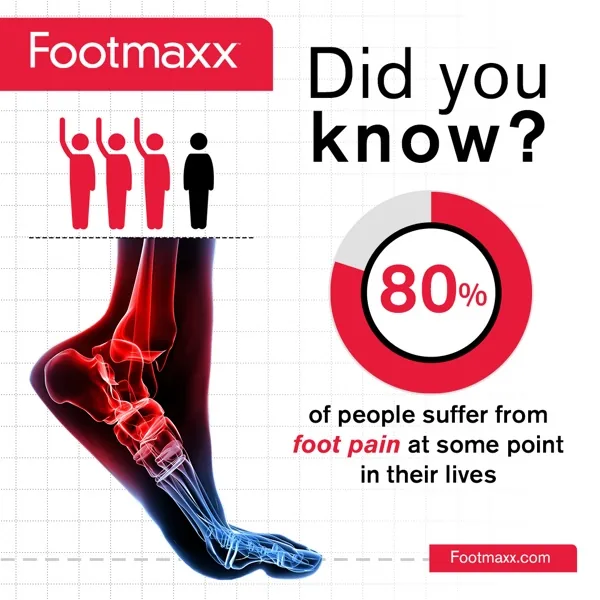
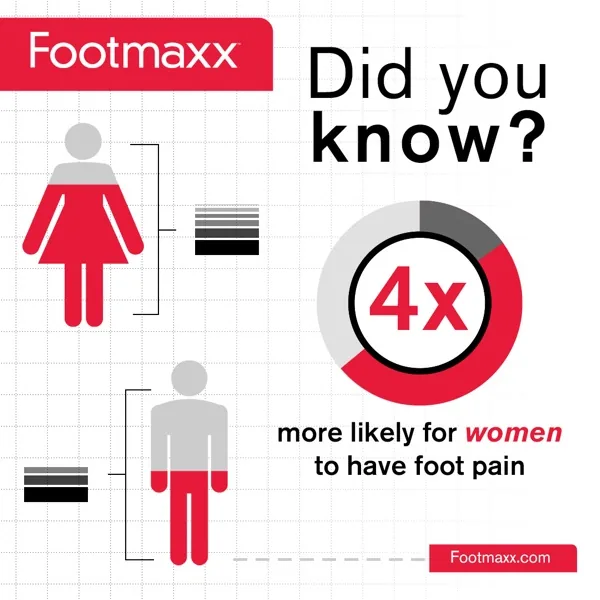
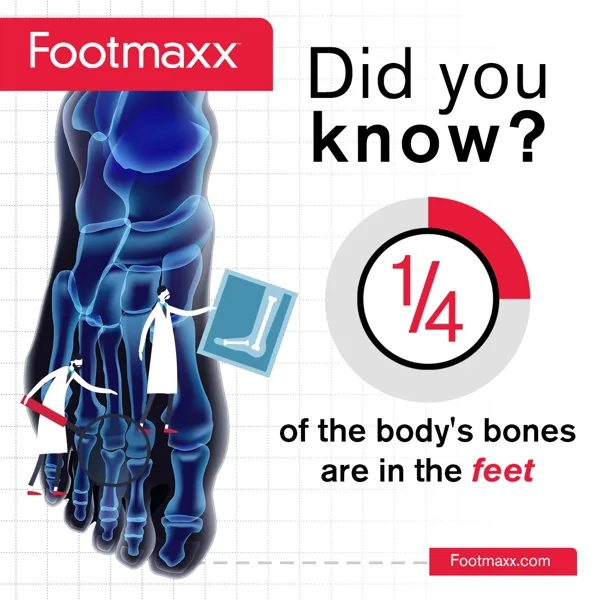
Graphics: Footmaxx educational materials.
What to Expect for Cost
We go over the cost of your orthotics before anything is ordered. The foot scan itself is free.
- HSA and FSA: prescription orthotics are usually an eligible expense.
- Insurance: coverage varies by plan, and many plans do not cover orthotics. We give you an itemized receipt you can submit.
- Extra pairs: a second pair for work boots or sport shoes can be made from the same scan.
What to bring
- Any orthotics or arch supports you use now
- The shoes you wear most: work, sport and casual
- Your insurance card and ID
- Notes on your pain: where it is, when it started, what makes it worse
Already have Footmaxx orthotics?
If your pair is more than 2 years old, or your weight, activity or pain has changed, call us. A new scan may show your correction needs updating. Your prescription stays on file.
The Moorhead Clinic
Integrix Health, LLC
22 6th St N
Moorhead, MN 56560
About 5 to 10 minutes from downtown Fargo
Phone: 701-347-1968
Hours: Mon to Fri 9:00 to 12:00 and 1:30 to 5:00 (Wed to 6:00)
See a doctor right away if you have
- A foot sore or cut that is not healing, especially with diabetes
- A foot that is suddenly red, hot and swollen
- Calf pain and swelling in one leg
- A cold, pale or blue foot or toes
- You cannot put weight on the foot after a fall or twist
Questions
Frequently Asked Questions
What is the difference between Footmaxx orthotics and store-bought arch supports?
Store-bought arch supports are made in standard sizes and arch heights. Footmaxx orthotics are made by a lab from a computerized scan of your own feet, using a prescription Dr. Bekkum writes after a hands-on exam. He chooses the shell, the corrections and the top cover for your foot and your activity.
Where can I get Footmaxx orthotics near Fargo, ND?
At Integrix Health, 22 6th St N in Moorhead, MN, about a 5 to 10 minute drive from downtown Fargo and West Fargo. Dr. Paul M. Bekkum, DC, CCEP scans, prescribes and fits Footmaxx orthotics at the clinic.
How long does it take to get Footmaxx orthotics?
About 4 weeks from the scan. The Footmaxx lab makes your orthotics from your prescription, then you come back to the clinic to have them fitted.
Does insurance pay for Footmaxx orthotics?
It depends on your plan, and many plans do not cover orthotics. Prescription orthotics are usually an eligible HSA or FSA expense. We give you an itemized receipt and go over your costs before anything is ordered.
How long do Footmaxx orthotics last?
With daily wear, often 2 to 3 years, sometimes longer. Heavy sport use wears them faster. Top covers can be replaced. We suggest a re-scan if your pair is over 2 years old or your weight, activity or pain has changed.
Do I need a referral?
No. You can book directly. Dr. Bekkum does the exam, the scan and the prescription at the Moorhead clinic.
Footmaxx and the product names on this page are trademarks of their respective owners. Product details are from Footmaxx materials.
Medically reviewed by Dr. Paul M. Bekkum, DC, CCEP. Last reviewed October 27, 2026.